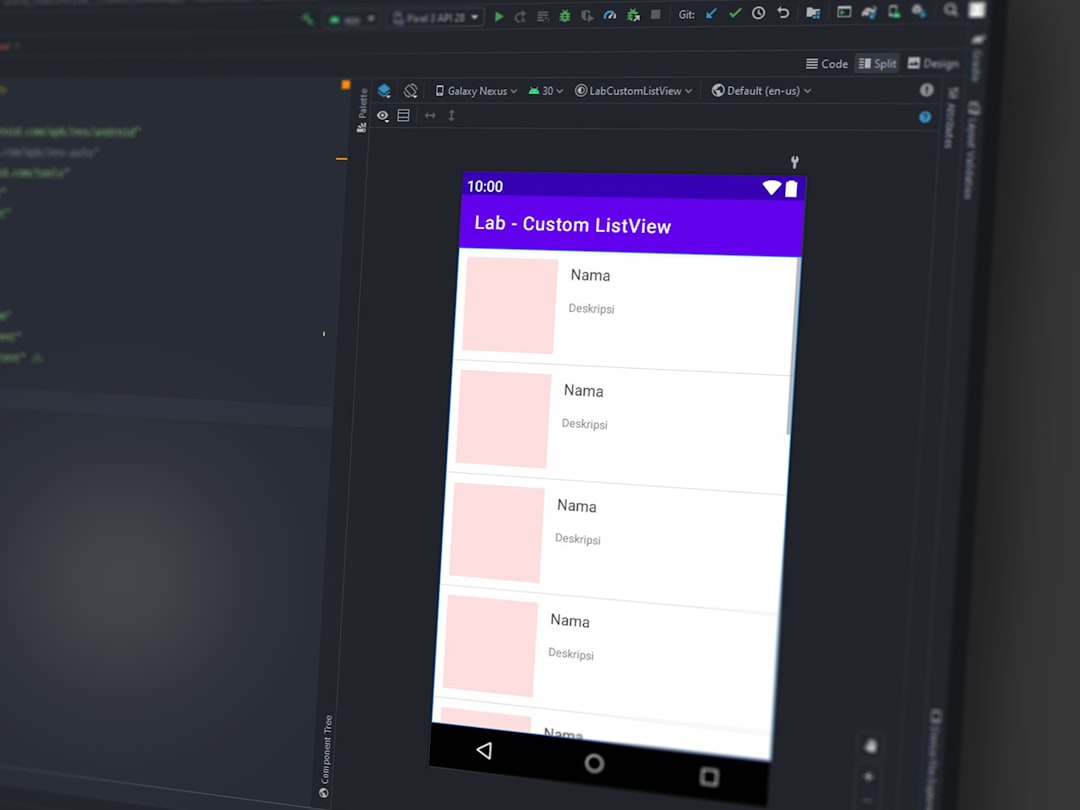
The Ultimate Guide to Cross-Platform Mobile Development in 2026: Navigating React Native, Flutter, and Beyond
Cross-platform mobile development has ascended as a dominant paradigm in 2026, driven by advancements in frameworks like React Native and Flutter. These technologies now offer near-native performance, extensive tooling, and seamless integration capabilities, becoming vital to the app development ecosystem. This guide delves into the trends, challenges, and insights in the realm of cross-platform frameworks.
The Rise of Cross-Platform Development in 2026
Market Adoption and Trends
Cross-platform mobile development frameworks account for nearly 50% of new mobile app projects, marking a substantial shift toward this technology. The trend is accelerated by the demand for faster time-to-market and cost-effective solutions (source).
Strategic Advantages of Cross-Platform Over Native
The strategic benefits of cross-platform development include:
- Reduced Development Time: Build once and deploy across multiple platforms, cutting development time by up to 50% (source).
- Cost Efficiency: Sharing a codebase reduces costs, allowing startups and enterprises to allocate resources more efficiently.
According to recent surveys, these advantages have prompted many organizations to adopt cross-platform solutions as their default development strategy (source).
Understanding Flutter: Google’s Cross-Platform Powerhouse
Flutter’s Architecture and Components
Flutter relies on its custom rendering engine, drawing every pixel on the screen, ensuring UI consistency across all devices. This architecture:
- Promotes UI Consistency, enabling a singular look and feel across platforms.
- Offers High Performance with its Impeller rendering engine providing frame rates of 60–120 FPS (source).
Advantages of Using Flutter
Flutter enjoys a projected adoption rate of 60% by this year, driven by:
- Performance Efficiency: Near-native speeds achieved through optimized rendering.
- Code Reusability: Up to 95% shared code between iOS and Android, dramatically reducing duplicated efforts (source).
For a company seeking robust UI solutions, Flutter provides a compelling advantage through its seamless integration and high fidelity UIs.
Delving into React Native: Meta’s JavaScript Framework
Core Features of React Native
React Native, built by Meta, employs JavaScript to render native components, allowing web developers to easily transition to mobile app development. Key features include:
- JavaScript Ecosystem: Leverage existing web development skills to build mobile applications (source).
- Reusable Native Components: Ensures apps maintain a native look and feel.
Innovations and Updates in 2026
Recent enhancements, such as the New Architecture incorporating Fabric and TurboModules, provide:
- Performance Boosts: Up to 30% better performance, addressing historical bottlenecks (source).
- Improved Tooling: Enhanced debugging and modern development workflows facilitated by tools like Flipper and React DevTools.
These improvements have fortified React Native’s position as a leading choice for mobile development (source).
Performance Benchmarks: Flutter vs React Native
Real-World Speed and Efficiency
Both frameworks exhibit significant improvements in load times and rendering efficiency:
- Flutter: Utilizes its Impeller engine to ensure high stability and consistent frame rates (source).
- React Native: Most apps achieve ‘fast enough’ speeds for 99% of use cases due to the updated architecture (source).
Handling Complex UI and Animations
While both frameworks manage complex UI elements effectively, Flutter excels in seamless high-fidelity animation handling, whereas React Native offers improved component reuse and flexibility.
Tooling and Development Experience
Integrated Development Environments and Debugging
A reliable IDE is pivotal for smooth development:
- Flutter: DevTools supports performance profiling and debugging with ease.
- React Native: Flipper offers a comprehensive debugging suite complementing its development workflow (source).
Hot Reload and Development Efficiency
Both frameworks offer hot reload capabilities that allow developers to see code changes in real-time, significantly streamlining the development process and improving workflow efficiency.
Code Reusability and Shared Codebases
Efficiency Gains with Single Codebase
Flutter provides up to 95% code reuse across platforms, translating to immense time and resource savings. React Native also supports a substantial shared codebase, leveraging JavaScript’s universality.
Impact on Project Timeline and Cost
The efficiencies in using a single codebase can reduce project timelines by approximately 30–50%, facilitating quicker launches and reduced overheads (source).
UI Consistency Across Platforms
Flutter’s Rendering Engine vs React Native’s Native Components
Flutter ensures that the UI experience remains uniform across devices by controlling each pixel’s rendering. In contrast, React Native relies on platform-specific components, which can sometimes lead to inconsistencies.
Challenges in Achieving Native Look and Feel
Despite advancements, achieving a truly native experience often requires additional development effort, especially in Flutter, to mimic platform-specific aesthetics or interactions (source).
Ecosystem and Community Support
Community Involvement and Resource Availability
A thriving community enriches both frameworks with plugins, tools, and resources:
- Flutter: Growing community with a significant increase in GitHub contributions and third-party libraries.
- React Native: Strong JavaScript community support, ensuring swift responses to changes and enhancements (source).
Impact of Open Source Contributions
Both frameworks benefit from active open source involvement, which accelerates development cycles and promotes innovative solutions.
Multi-Device Experiences: Mobile, Web, and Desktop
Flutter’s Unified Codebase Across Devices
Flutter extends support beyond mobile, offering a cohesive development experience across web and desktop platforms, often from a single codebase.
React Native’s Adaptation to Web and Desktop
Recent developments in React Native have seen improvements in web and desktop support, aided by React Native Web and Next.js, promoting shared logic across platforms.
Real-World Case Studies and Success Stories
Levi’s Adoption of Flutter
Levi’s leveraged Flutter to streamline their development process, achieving a consistent UX across iOS and Android platforms, alongside cost efficiencies (source).
Shopify’s Utilization of React Native
Shopify’s adoption of React Native facilitated rapid development with its existing web technology suite, showcasing the framework’s versatility (source).
Evaluating Long-Term Maintenance and Scalability
Comparing Maintenance Overheads
Ongoing updates and an evolving ecosystem necessitate careful consideration of long-term maintenance costs in both Flutter and React Native applications (source).
Scalability for Large-Scale Applications
Both frameworks offer scalable solutions; however, React Native benefits from JavaScript’s widespread use, simplifying talent acquisition and scaling.
Choosing the Right Framework for Your Project
Framework Selection Criteria
When selecting a framework, consider:
- Existing Technology Stacks: Align with team expertise (JavaScript vs. Dart).
- Project Scope: Scale and scope often dictate framework suitability.
- Time to Market and Budget: Weigh development speed against cost constraints (source).
Project-Type Recommendations
- Startups: Flutter, for speed and cost-effectiveness.
- Mature Enterprises: React Native, for integration with existing web technologies.
The Future of Cross-Platform Development Beyond 2026
Emergent Frameworks and Technologies
Frameworks such as Uno Platform and tools like Kotlin Multiplatform are emerging, which may redefine cross-platform norms (source).
Predictions and Upcoming Trends
As the landscape continues to evolve, increased focus on multi-experience development and advancements in AI-driven development tools are anticipated.
Synthesis and Strategic Insights
In 2026, Flutter and React Native represent not just viable alternatives but often the preferred choices for mobile app development, each positing distinct advantages:
- Flutter: Offers consistent cross-platform experiences and a unified development process.
- React Native: Benefits from JavaScript’s ecosystem, facilitating easier scaling and integration with existing web solutions.
Investing in the right framework aligns with strategic objectives, budget constraints, and existing technological ecosystems, ensuring project success and scalability. For organizations navigating mobile app development, staying attuned to industry trends and technological advancements is crucial. Connect with Nomadic Soft to explore how these frameworks can transform your app development projects.
For further insights into mobile and cross-platform development, visit our Mobile App Development services page.